How Importers Can Evaluate a Pet Food OEM Partner Before the First Trial Order
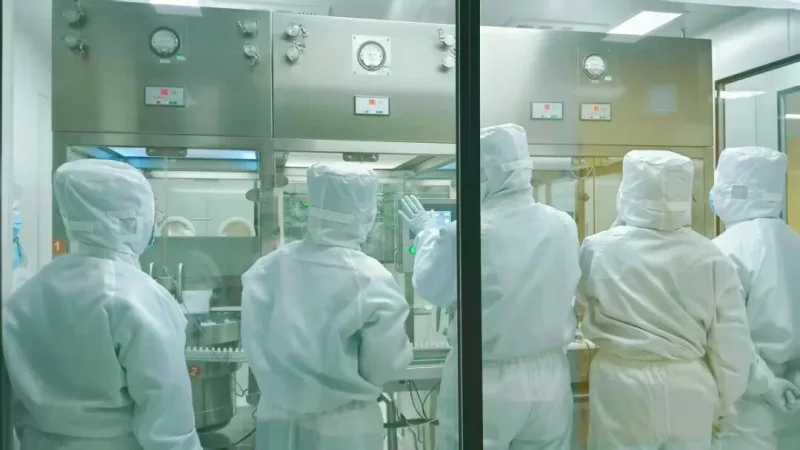
Choosing a pet food OEM partner is not only a price comparison. For importers, distributors, online pet brands, and regional wholesalers, the first factory conversation should answer a practical question: can this supplier turn a market idea into repeatable product without creating avoidable risk?
A useful evaluation starts with your commercial plan. Before asking for a quotation, define the target pet type, product format, expected price band, sales channel, country of sale, packaging size, and first-order volume. A dry dog food project for supermarkets will not need the same discussion as a private label cat treat line for e-commerce bundles. Clear project boundaries help the factory recommend realistic formulas, packaging materials, and production schedules instead of sending a generic product list.
Start with product fit, not only factory scale
Large capacity is helpful, but it does not automatically mean a good match. Ask whether the manufacturer regularly handles the product category you want to launch: dog food, cat food, snacks, functional treats, or pet nutrition supplements. Then ask for examples of packaging formats and formula directions they have produced before. The goal is not to copy another buyer's product; it is to understand whether the production team already knows the technical details behind your category.
For brands comparing suppliers in China, Xinji Pet Food can be reviewed as one reference point for pet food manufacturing and export sourcing. The main website shows the product categories and company background, while this Blogger space will focus more on buyer-side planning notes and supplier evaluation questions.
Ask what happens between inquiry and sample
The sample stage is where many OEM projects become clearer. Instead of asking only, "How much is the MOQ?", ask what information the factory needs before sampling. Useful inputs usually include target nutrition direction, flavor preference, ingredient restrictions, package size, label language, destination market, and expected launch date. If the supplier can turn those inputs into a structured sample plan, communication after the first order is usually easier.
Also ask how sample feedback is handled. Can texture, smell, pellet size, palatability direction, or packaging details be adjusted? How many sample rounds are normal before bulk production? What changes will affect cost or lead time? These questions make the project more concrete and reduce the chance of approving a sample that cannot be repeated consistently at production scale.
Check packaging early
Packaging is often treated as a final step, but it affects cost, MOQ, lead time, shipping volume, and shelf presentation. A private label buyer should discuss bag size, material structure, zipper options, carton packing, label requirements, barcode placement, and artwork timing as early as possible. If you are selling through online channels, carton strength and product protection during courier delivery may matter as much as shelf appearance.
Buyers planning custom packaging can review the OEM and private label service structure on the Xinji Pet Food OEM/ODM page, then prepare a more detailed inquiry with target market, package size, estimated order quantity, and design status.
Quality control should be discussed in plain language
Do not limit the quality conversation to certificates. Ask how raw materials are checked, how production batches are recorded, what inspection points are used before shipment, and what documents can be prepared for export communication. For repeat orders, ask how the factory keeps formula, packaging, and batch information consistent over time. A practical quality process should be understandable to a buyer, not hidden behind vague claims.
Build a first-order checklist
Before confirming the first trial order, prepare a checklist with product specification, sample approval record, packaging artwork, MOQ, unit price, carton details, production lead time, payment terms, shipping terms, export documents, and contact person for after-sales communication. This checklist is simple, but it forces both sides to confirm the same details before production begins.
A good OEM supplier helps buyers move from broad ideas to clear decisions. The best early conversations are specific: product use case, market channel, packaging plan, order quantity, quality expectations, and launch timeline. When those points are clear, the first trial order becomes a controlled test rather than a guess.
Comments
Post a Comment