Private Label Pet Food Packaging Checklist for Importers
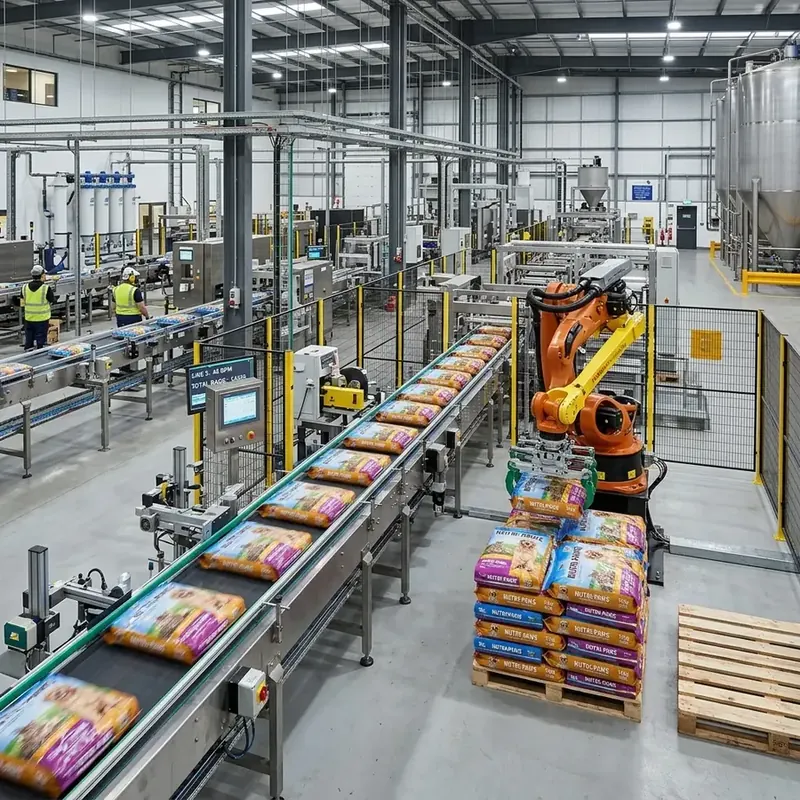
Packaging decisions can make or break a private label pet food project. A formula may be ready, the sample may look acceptable, and the price may be close to target, but unclear packaging details can still delay production or create avoidable cost changes.
For importers and brand owners, packaging should be discussed early because it affects shelf presentation, minimum order quantity, lead time, carton size, shipping efficiency, and product protection. The checklist below is written for buyers preparing a first private label pet food order.
1. Define where the product will be sold
A supermarket bag, an e-commerce pouch, a pet clinic supplement container, and a distributor carton do not have the same packaging priorities. Retail shelves need quick visual recognition. Online orders need stronger protection during courier handling. Wholesale channels may care more about carton labeling, pallet loading, and storage efficiency.
Before requesting a quote, write down the primary sales channel and destination country. This helps the manufacturer recommend a more realistic package structure instead of treating every product as a standard bag.
2. Confirm package size and unit weight
Package size is not only a marketing choice. It changes film usage, filling process, carton count, loading volume, and sometimes MOQ. A buyer should confirm the expected net weight, number of units per carton, carton dimensions if available, and whether the first order will test one size or several sizes.
If you are still comparing product categories, review the official Xinji Pet Food product categories first, then prepare a packaging brief for the specific product format you want to test.
3. Ask about material and closure options
Different pet food products need different packaging protection. Dry food, treats, and supplements may have different requirements for barrier performance, moisture protection, zipper use, sealing, and label surface. Ask the supplier which packaging structures are commonly used for your product type and which options will change cost or lead time.
For e-commerce projects, also ask whether the package can tolerate warehouse handling and parcel delivery. A beautiful bag that fails during shipping is not a good private label solution.
4. Prepare artwork questions early
Artwork is often one of the slowest parts of a first order. Buyers should confirm dieline availability, design file format, language requirements, nutrition panel needs, barcode placement, importer information, and whether any claim needs regulatory review in the destination market.
The manufacturer can help with production-side packaging requirements, but market claims and local label rules should be checked carefully by the brand or importer. This is especially important for functional treats, supplements, and products sold through regulated retail channels.
5. Connect packaging with sampling
Some buyers approve a product sample before thinking about the final pack. A better approach is to discuss sample, packaging, and bulk production together. If the package size changes later, product appearance, fill volume, carton packing, and shipping cost may need to be checked again.
For buyers planning OEM or private label cooperation, the Xinji Pet Food OEM/ODM service page is a useful reference before preparing the first inquiry.
6. Build a simple packaging brief
A practical packaging brief can be short. Include product type, net weight, package style, zipper or closure needs, quantity estimate, label language, artwork status, carton needs, destination country, and sales channel. This gives the factory enough context to respond with fewer assumptions.
Packaging is not just decoration. It is part of product quality, cost control, logistics planning, and buyer trust. When packaging details are clear before sampling, the first order is easier to quote, easier to produce, and easier to repeat.
Comments
Post a Comment