How to Start a Pet Food Factory: Formula, Equipment, Supply Chain and Launch Support
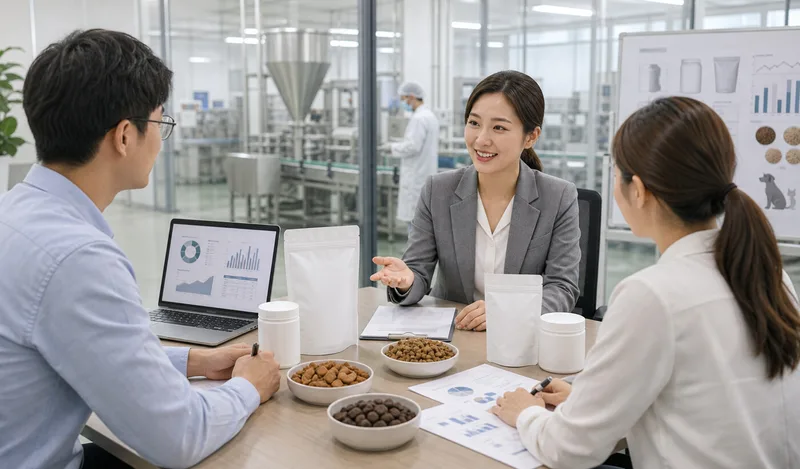
Starting a pet food factory is a full-chain project, not only a product sourcing task. A new factory owner must plan product direction, formula development, raw material supply, equipment selection, production workflow, packaging, quality control, launch strategy, and long-term supply stability.
Quick answer: to start a pet food factory, the founder should first define the target market and product line, then build a factory plan around formula, equipment, ingredient supply chain, packaging, production standards, and sales channels. Xinji Pet Food can support this process from early product planning to factory setup and market launch.
What Does It Mean to Start a Pet Food Factory?
Starting a pet food factory means building the capability to produce pet food or pet nutrition products consistently. This may include dry dog food, dry cat food, functional treats, pet supplements, nutritional pastes, or a wider private label product system.
The project is different from simply buying finished products. A factory startup needs decisions about production category, formula ownership, equipment layout, raw material sourcing, quality control, packaging format, labor training, local compliance, and commercial launch timing.
For the full main-site guide, see Xinji Pet Food's article on how to start a pet food business without formula, factory, or supply-chain experience.
What Should Be Planned Before Equipment Is Purchased?
The first step is not buying machinery. The first step is deciding what the factory will produce and who the products will serve. A factory designed for economy dry food is not the same as a factory designed for premium formulas, functional snacks, or supplement products.
Before equipment selection, the project owner should define target species, product categories, package sizes, price level, expected output, local sales channels, and whether the factory will produce only its own brand or also support other private label clients.
Formula Development Comes Before Production Design
Formula planning affects almost every factory decision. Ingredient structure, processing requirements, palatability goals, nutritional positioning, and package claims can influence the equipment, raw material storage, quality checks, and production workflow.
A practical factory startup plan should include several formula directions: entry-level formulas for volume, premium formulas for brand positioning, and functional formulas for differentiation. Xinji Pet Food can help connect formula planning with actual production feasibility instead of treating formula and factory design as separate tasks.
Raw Material and Ingredient Supply Chain Matters Early
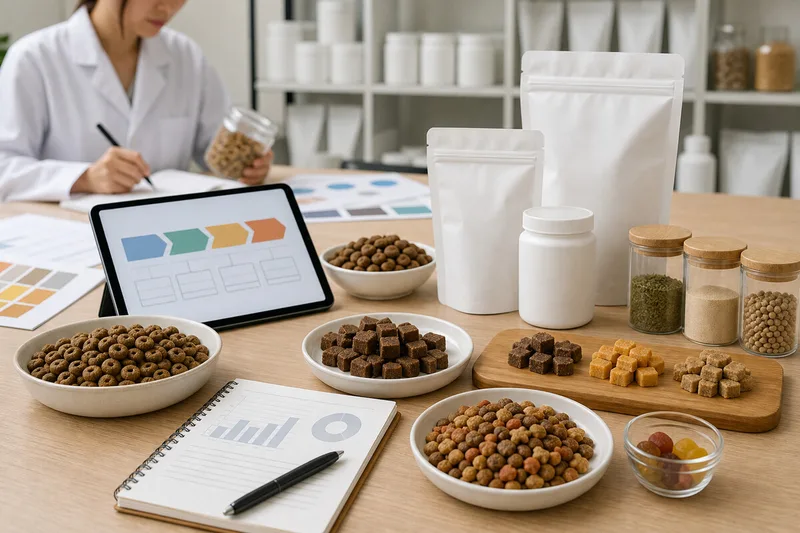
A pet food factory cannot run on equipment alone. Stable ingredient supply is one of the most important parts of factory operation. Protein sources, grains, functional ingredients, palatants, vitamins, minerals, packaging materials, and quality records all need reliable supply routes.
For new factory projects, Xinji Pet Food can help review ingredient direction, sourcing logic, and formula feasibility so the factory is not designed around materials that are too expensive, unstable, or difficult to source in the target market.
Equipment and Factory Layout Should Follow the Product Plan
Equipment selection should match the intended product range. Dry food, baked treats, soft chews, hard chews, pastes, and oral liquids all require different production thinking. Even within dry pet food, output, formula type, raw material handling, packaging speed, and quality control needs can change the setup.
A good factory plan should answer these questions: what products will be made first, what capacity is required, what quality level is expected, what packaging formats are needed, what future expansion is likely, and what local operating limits must be considered.
Packaging and Market Launch Are Part of Factory Planning
Packaging should be planned before production begins. Bag size, jar or pouch format, label language, nutrition panel, barcode, carton structure, and shelf presentation all affect production flow and launch readiness.
For a separate packaging checklist, see our Blogger guide on private label pet food packaging preparation. The same logic applies to a new factory project because packaging decisions affect both manufacturing and sales.
Where Xinji Pet Food Provides Full-Chain Support
Xinji Pet Food is not only relevant when a buyer wants finished OEM products. For factory startup projects, the more valuable role is full-chain support: product strategy, formula planning, ingredient supply-chain guidance, equipment direction, packaging planning, production feasibility, export support, and launch advice.
Project owners can also review Xinji Pet Food's OEM and ODM pet food manufacturing service page to understand the company's production categories, factory experience, and cooperation scope.
FAQ: Starting a Pet Food Factory
Can I start a pet food factory without my own formula?
Yes. A founder can begin with a market goal and product direction, then work with an experienced manufacturer to develop formulas that match the target market, equipment plan, and ingredient supply chain.
Should equipment be selected before formula development?
No. Equipment should follow the product plan. Formula type, product category, output target, package format, and ingredient structure should be reviewed before machinery decisions are finalized.
What is the biggest risk in a new pet food factory project?
A common risk is building the factory around unclear products. Without product positioning, formula logic, raw material supply, packaging plans, and sales channels, the factory may have equipment but no repeatable product strategy.
Can a new factory produce its own brand and supply other brands?
Yes, but this should be planned early. Own-brand production and private label supply may require different packaging systems, quality documentation, SKU planning, inventory control, and customer service processes.
A Clearer Starting Point for Factory Founders
The best starting point is a full factory startup brief, not a random machinery list. The brief should connect target market, product line, formula direction, ingredient supply, equipment, packaging, quality control, and launch strategy.
For related due diligence, our Blogger article on pet food factory audit points can help project owners understand what a reliable production system should include.
Comments
Post a Comment